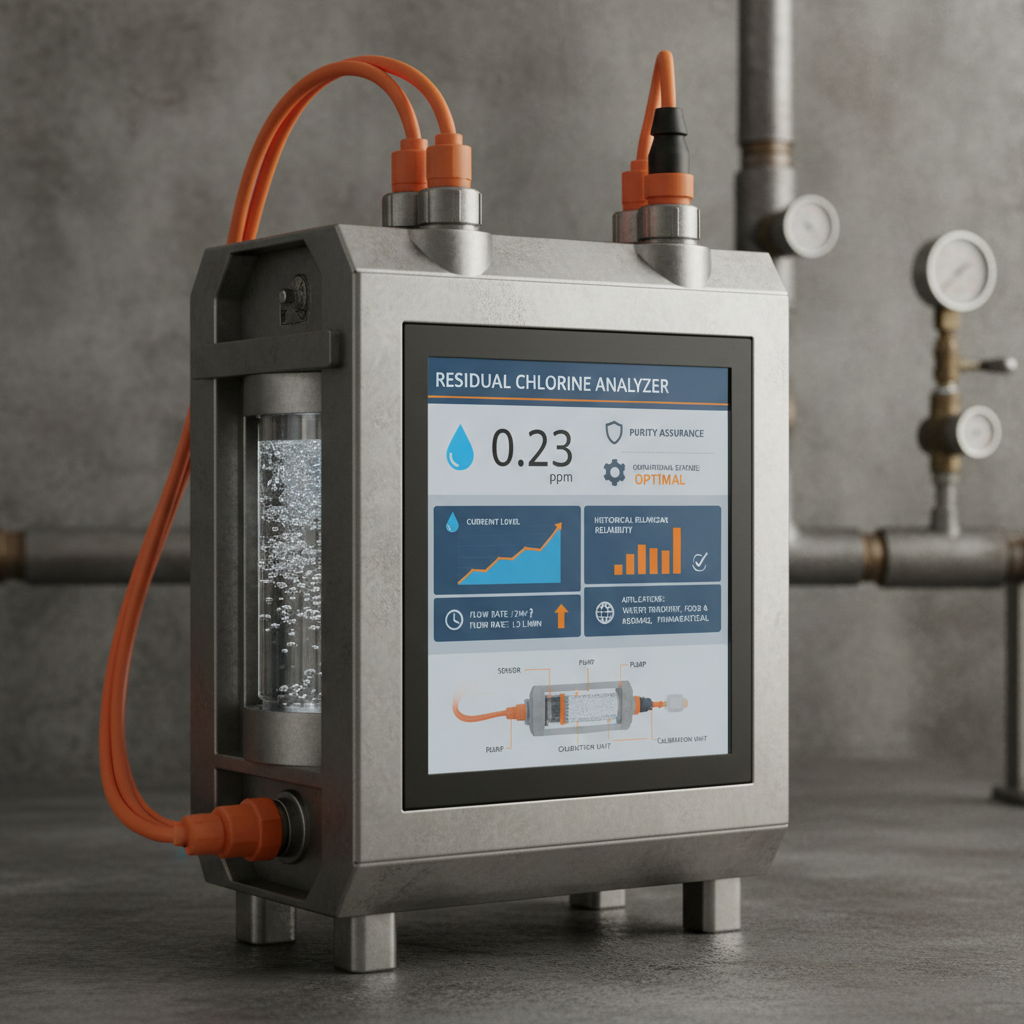
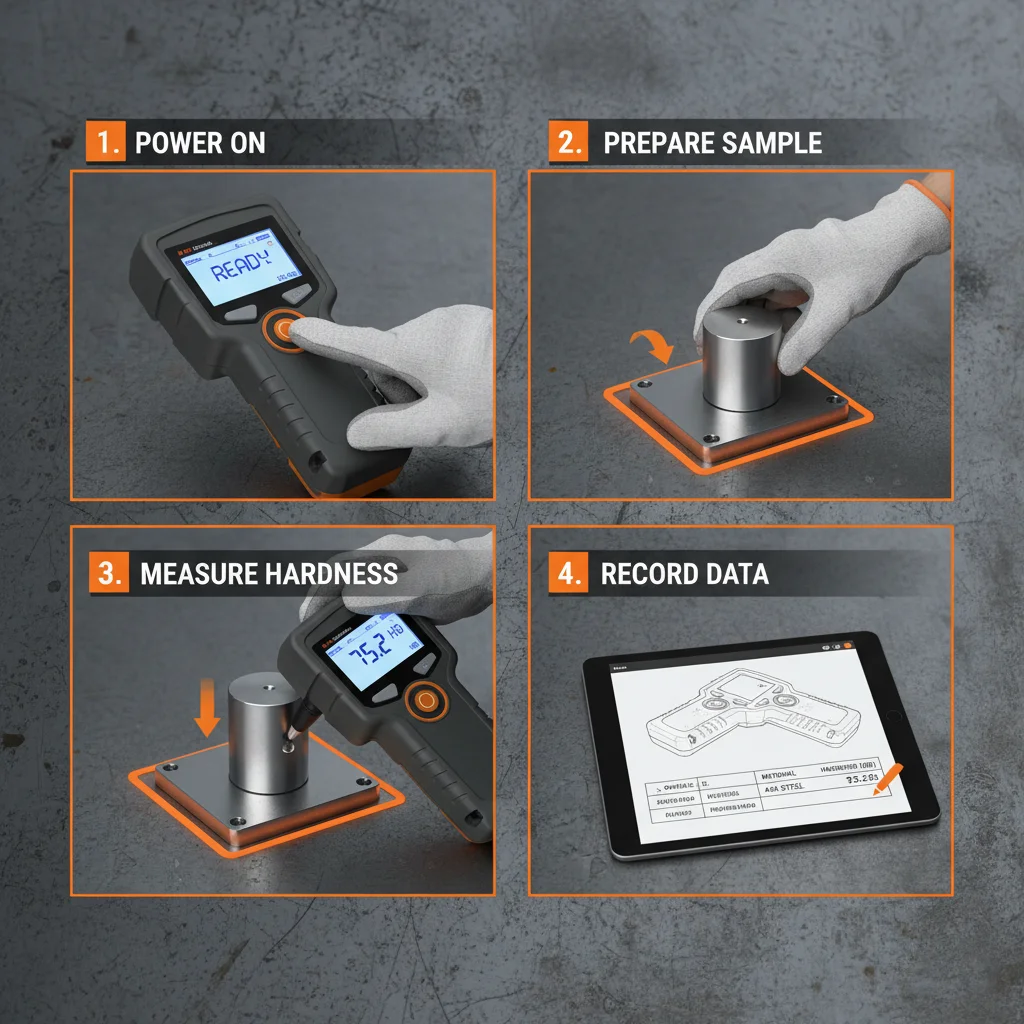
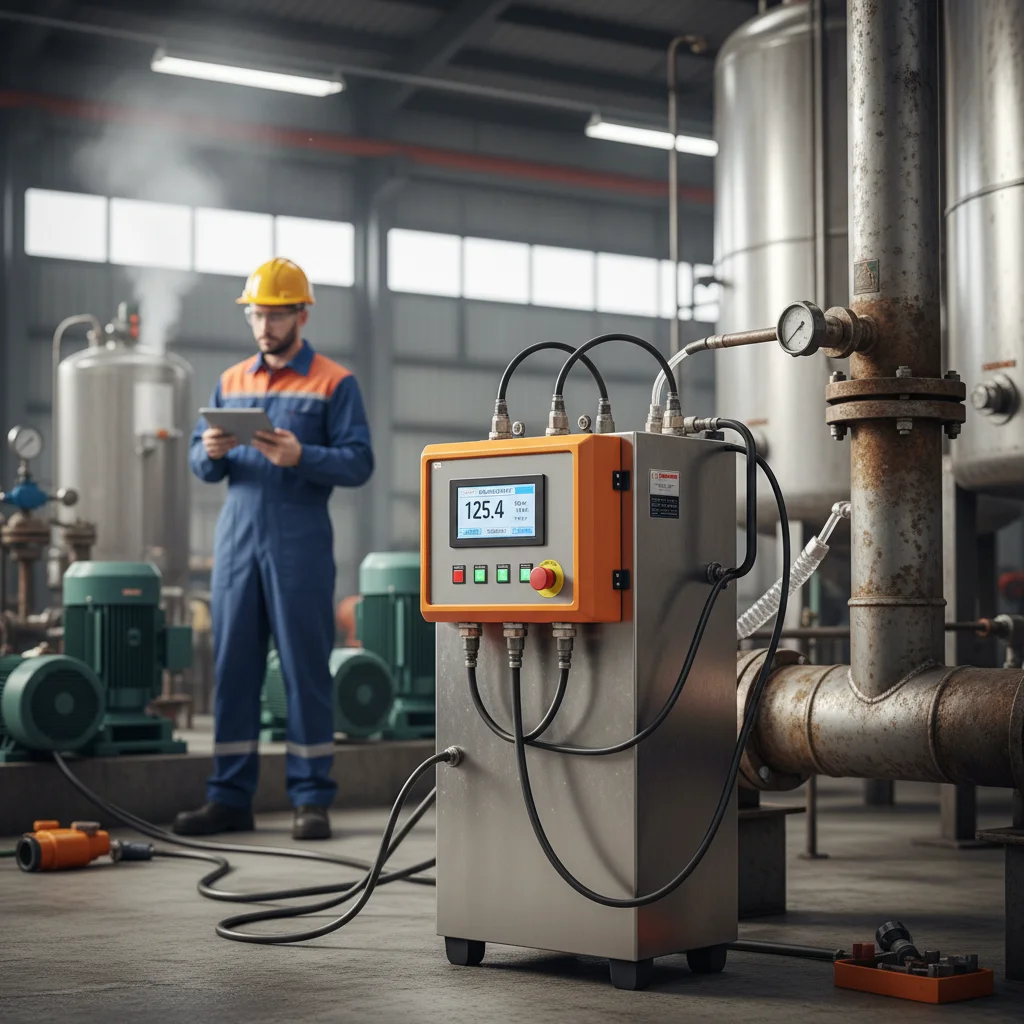
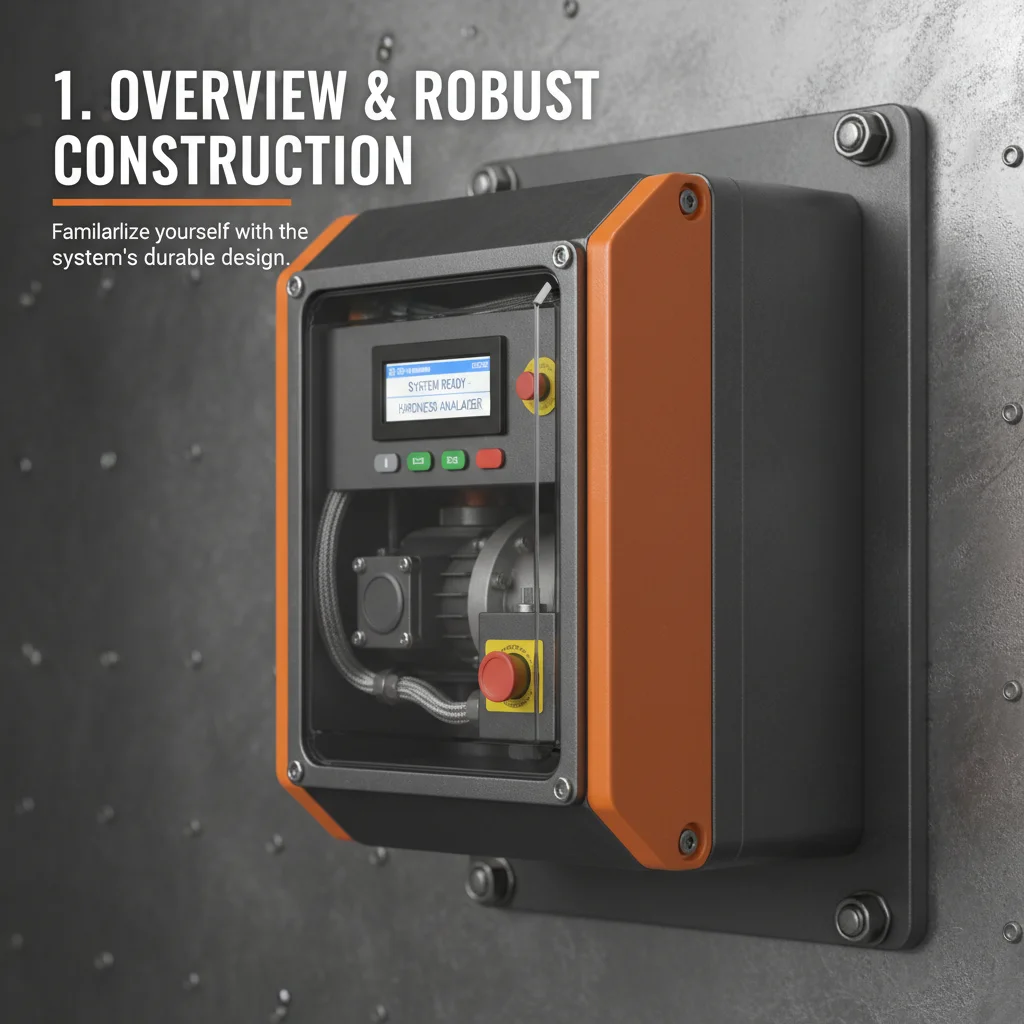
Ensuring the safety of potable water and industrial process fluids relies heavily on the precise monitoring of disinfection levels. A residual chlorine analyser serves as the critical line of defense, providing real-time data to ensure that enough chlorine remains to neutralize pathogens without reaching concentrations that could be toxic or corrosive to infrastructure.
Across the globe, from municipal water treatment plants to pharmaceutical clean rooms, the ability to automate the detection of free and combined chlorine is no longer a luxury but a regulatory necessity. By integrating high-precision sensing technology, industries can reduce chemical waste, lower operational costs, and most importantly, safeguard public health against waterborne diseases.
Understanding the nuances of these analytical instruments—ranging from amperometric sensors to colorimetric systems—allows facility managers to optimize their disinfection strategies. This guide explores the technical depth and practical applications of the modern residual chlorine analyser, offering insights into how these devices maintain the delicate balance of water chemistry.
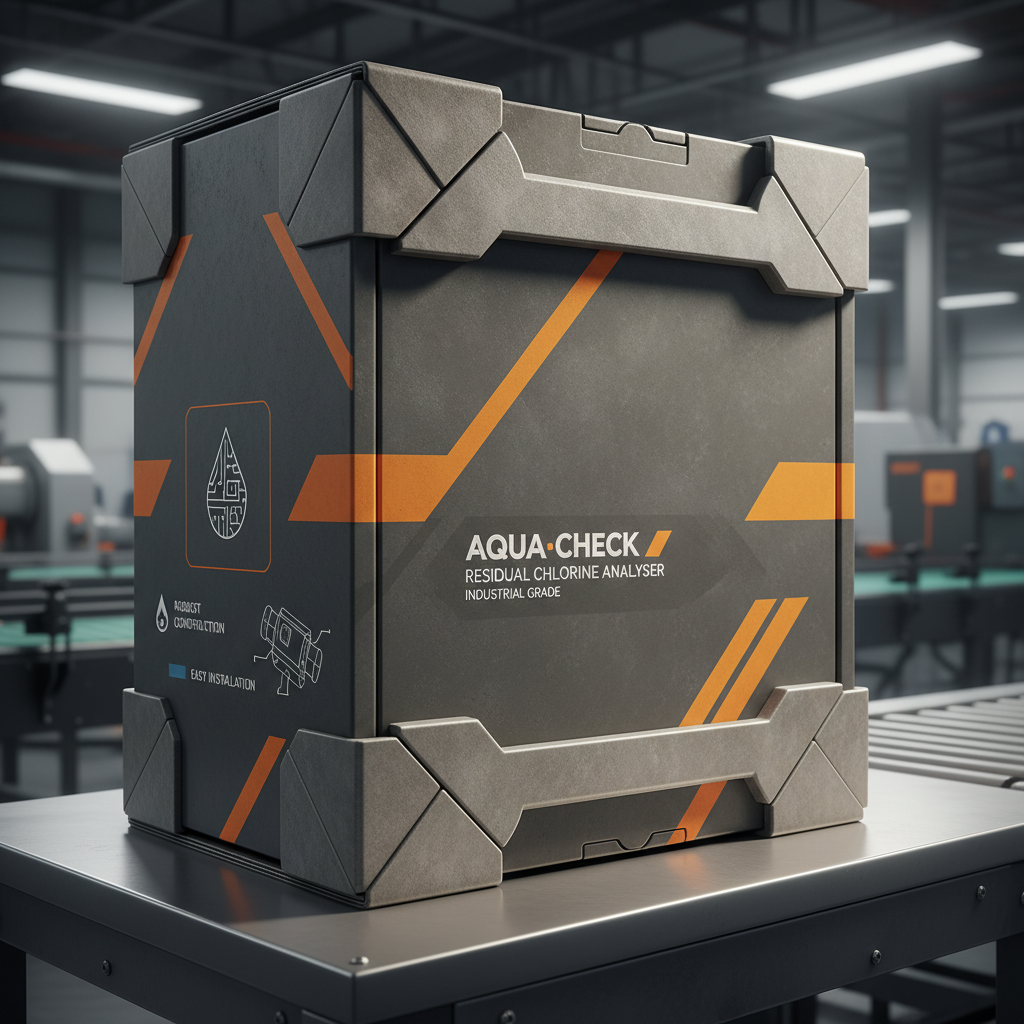
Global Significance of Residual Chlorine Monitoring
Water scarcity and contamination remain some of the most pressing challenges of the 21st century. According to data from the World Health Organization (WHO), millions of people still lack access to safely managed drinking water. The deployment of a residual chlorine analyser in municipal grids ensures that water remains sterile from the treatment plant all the way to the consumer's tap, preventing the re-growth of biofilm and harmful bacteria in aging pipe networks.
Beyond public health, the industrial sector faces immense pressure to adhere to ISO and local environmental standards. Over-chlorination can lead to the formation of trihalomethanes (THMs), which are carcinogenic by-products. Precise monitoring allows operators to hit the "sweet spot" of disinfection—maintaining safety while minimizing environmental impact and chemical expenditure.
Defining the Residual Chlorine Analyser
In simple terms, a residual chlorine analyser is a specialized electronic instrument designed to measure the amount of chlorine remaining in water after the initial demand of the water has been met. This "residual" is the active disinfectant that continues to protect the water as it travels through a distribution system.
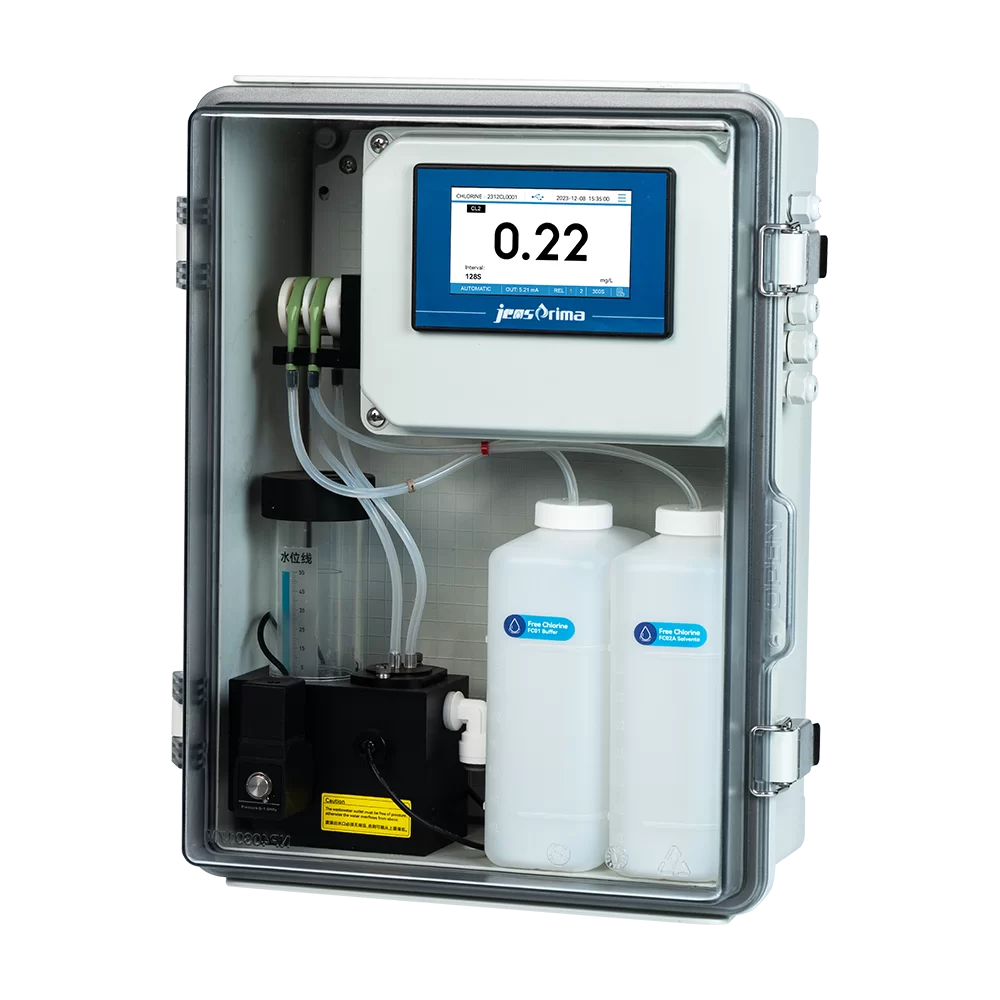
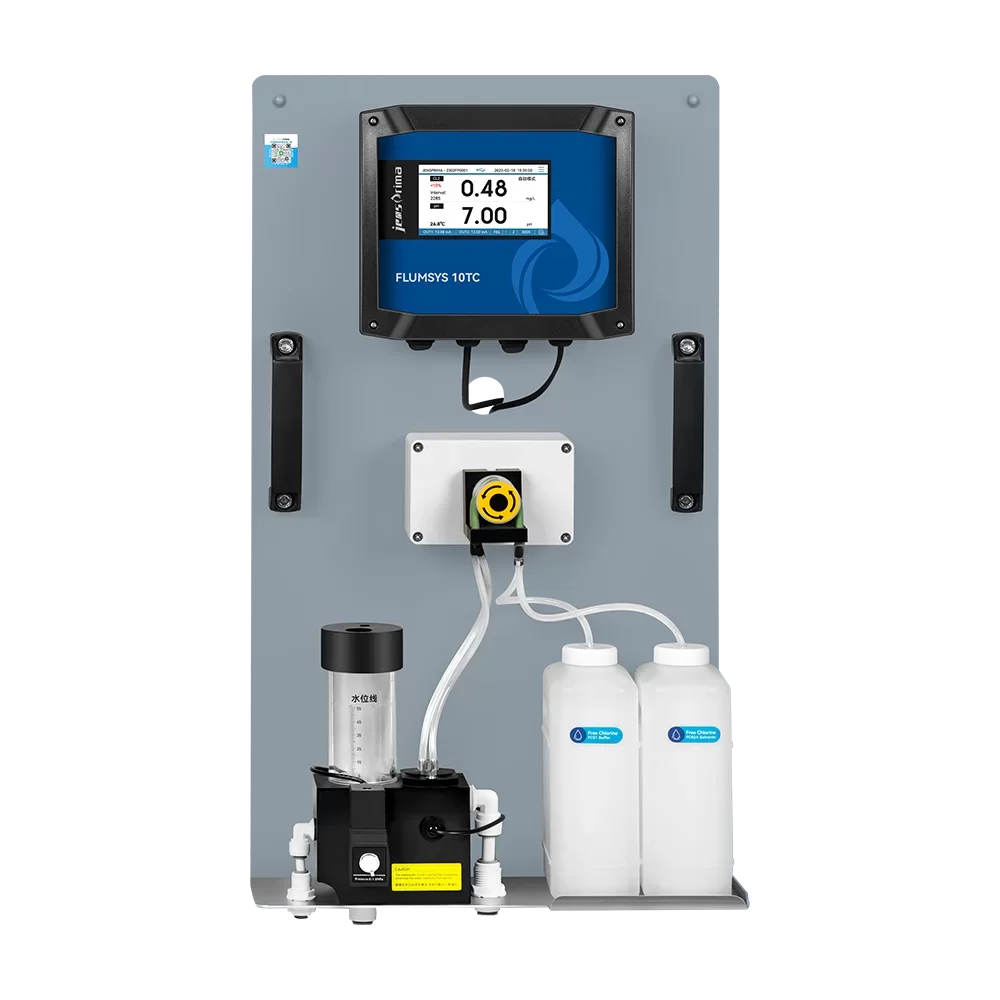
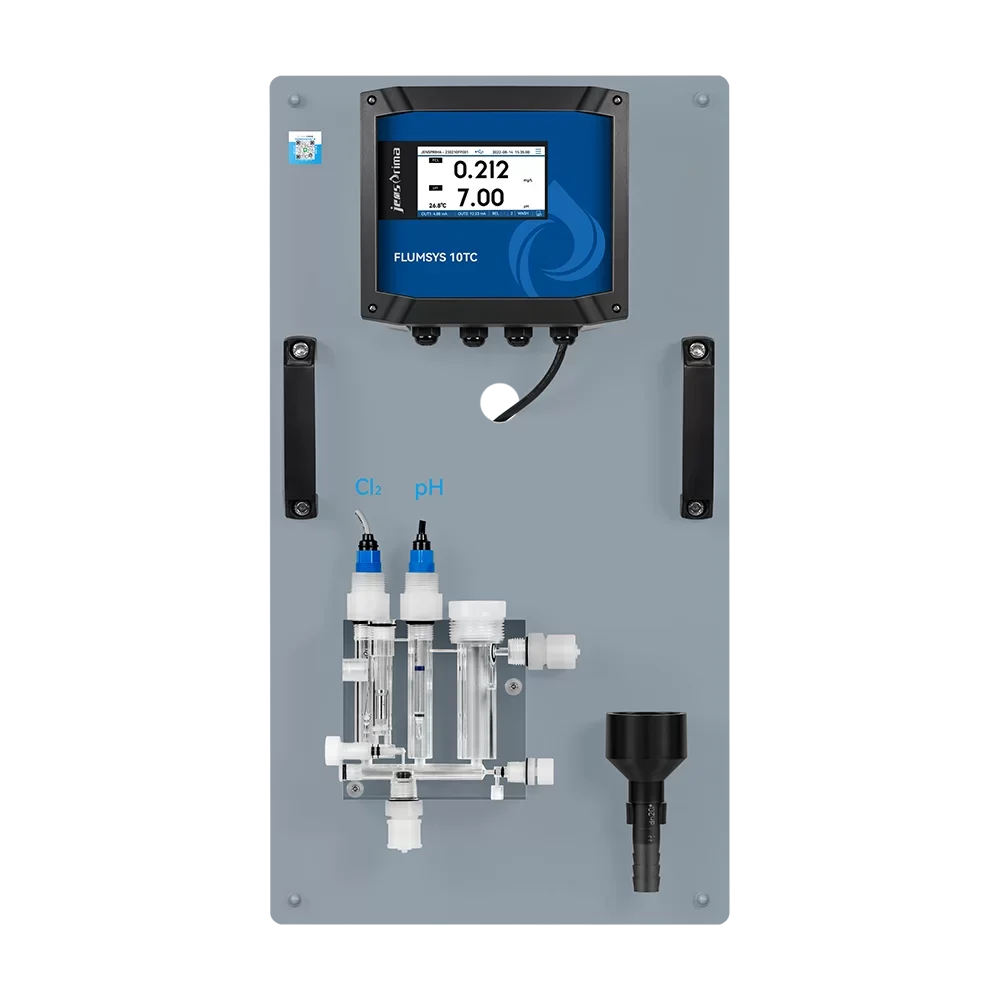
Modern analyzers are typically categorized by their measurement method: amperometric (electrode-based), colorimetric (reagent-based), or photometric. While amperometric systems are prized for their continuous, reagent-free operation, colorimetric systems are often used for their high accuracy and ability to distinguish between free and combined chlorine.
Connecting this technology to humanitarian needs, these analyzers are vital in disaster-relief water purification units. In areas where infrastructure has collapsed, the ability to rapidly verify that water is safely chlorinated can mean the difference between a contained situation and a widespread cholera or typhoid outbreak.
Core Components and Technical Factors
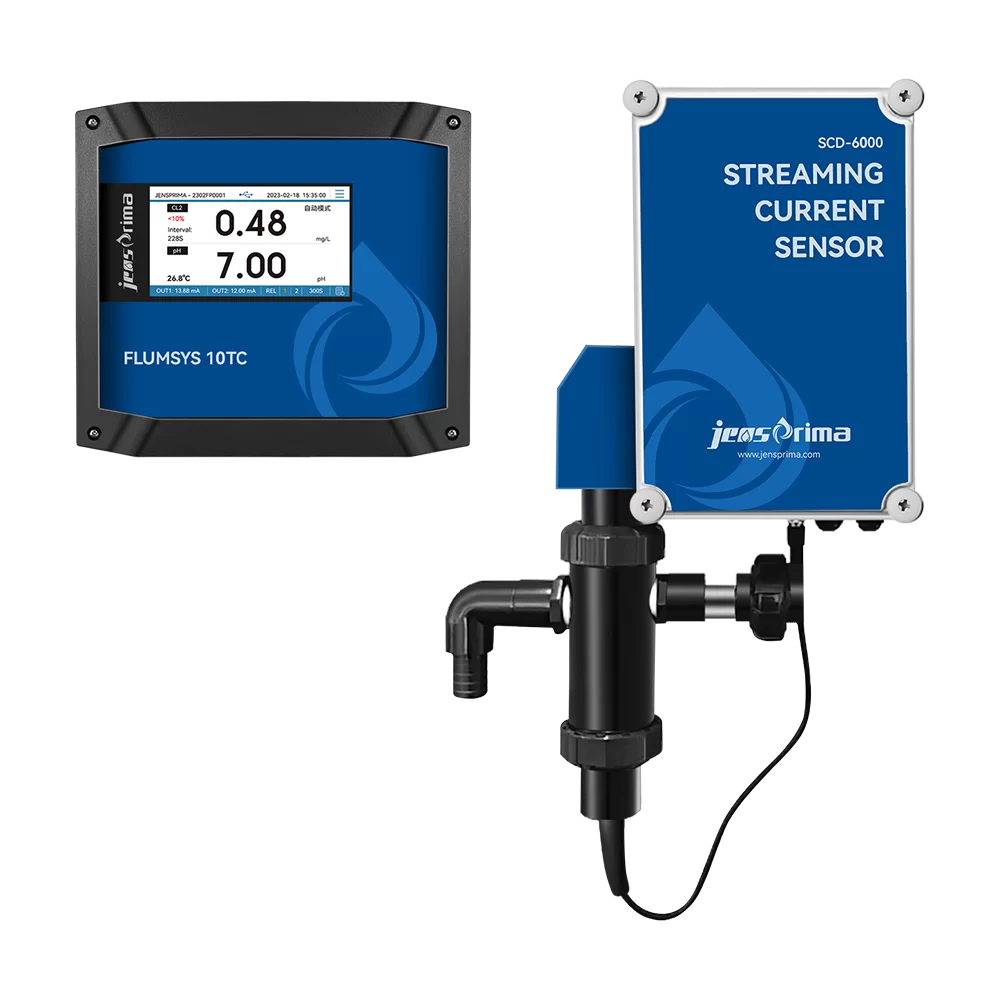
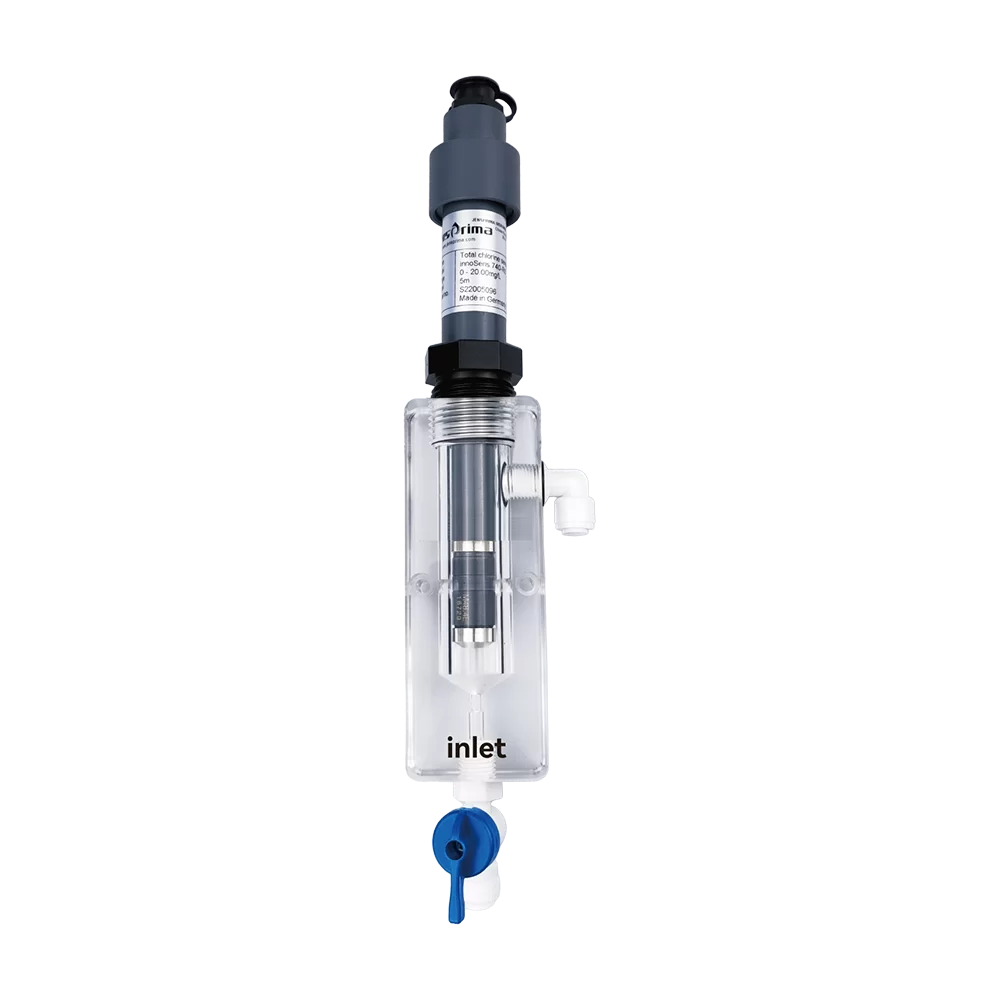
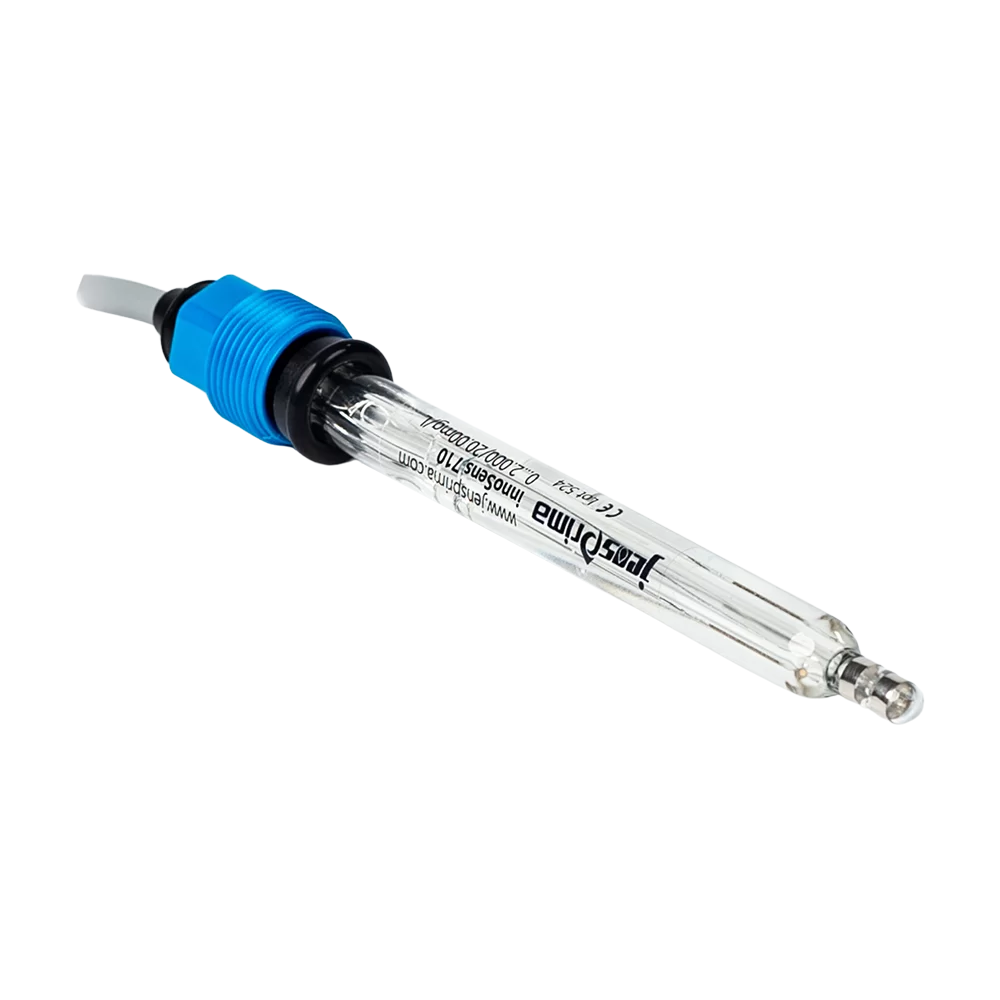
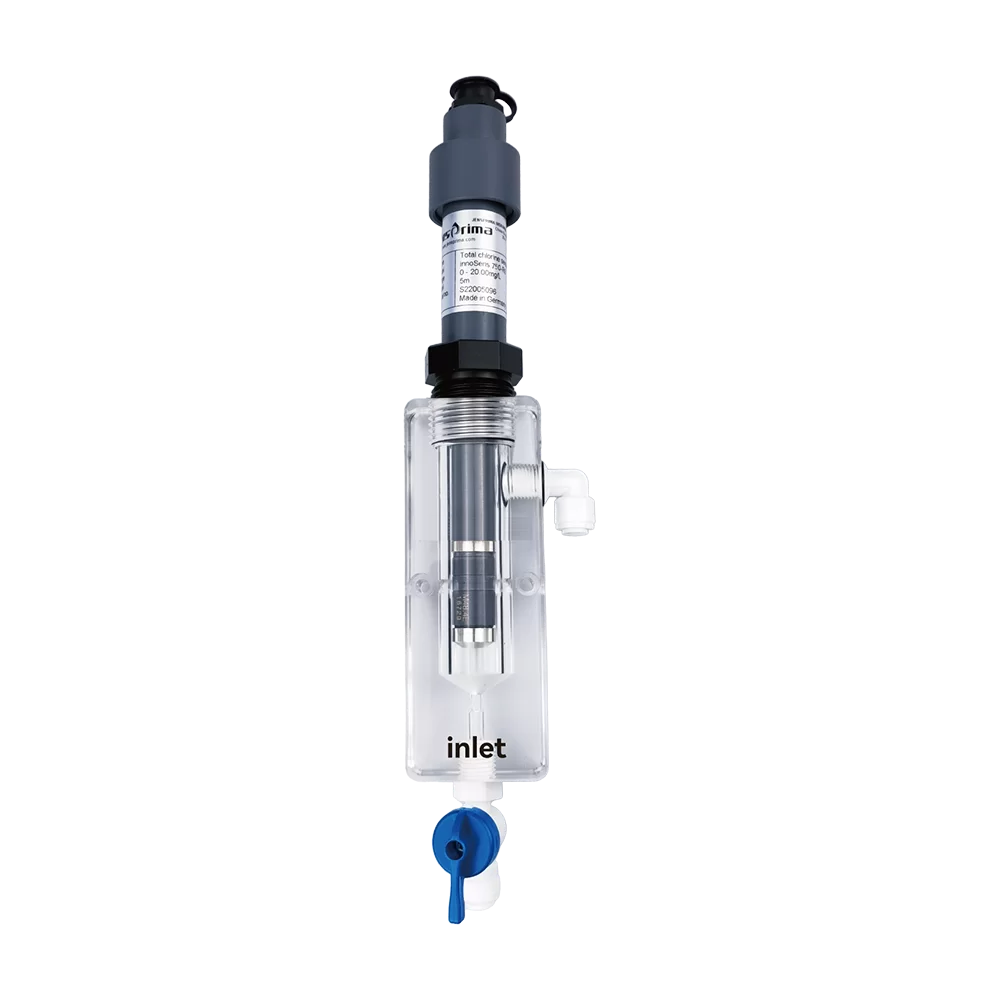
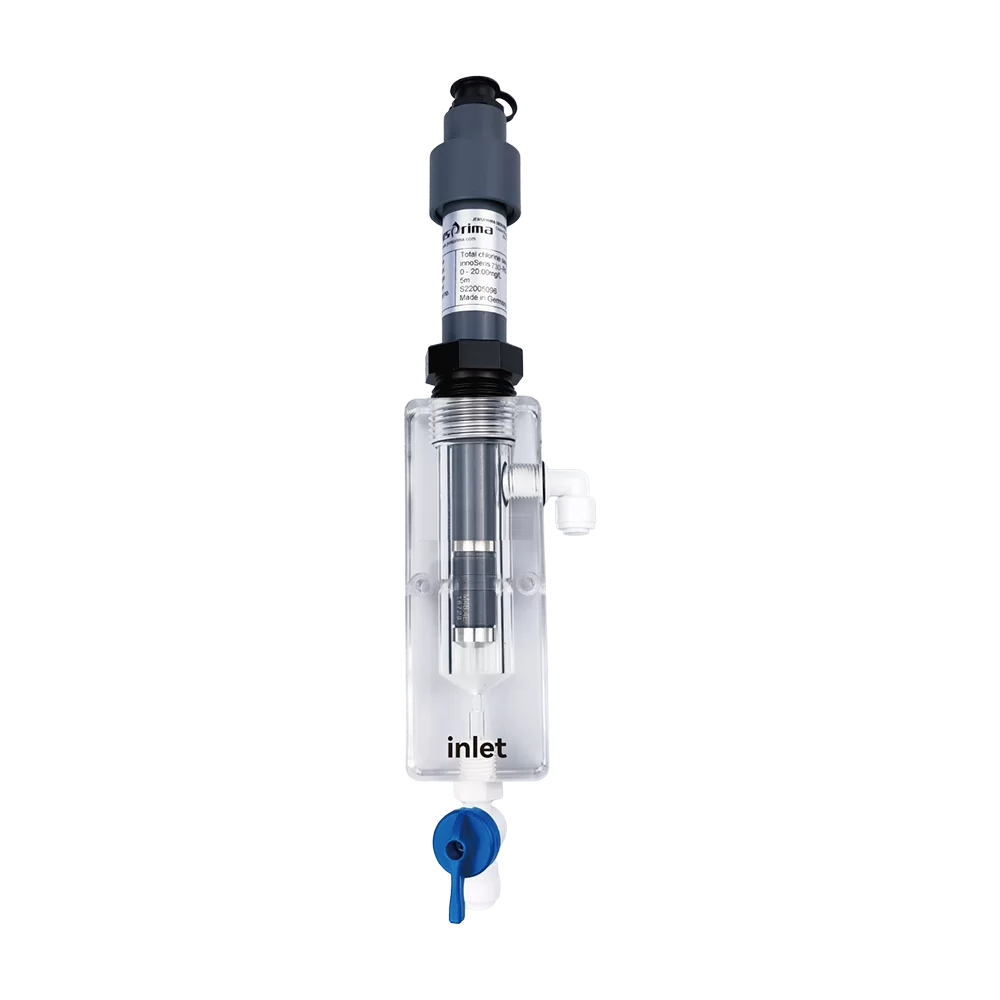
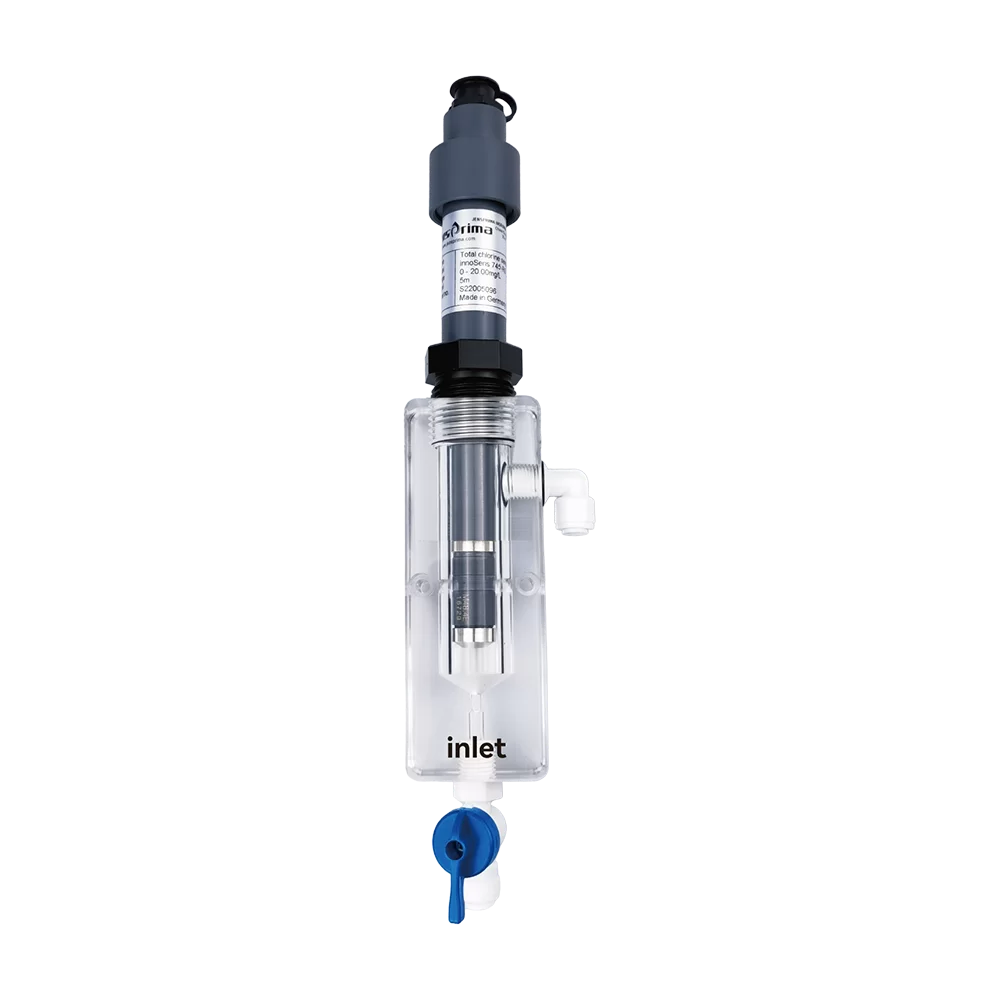
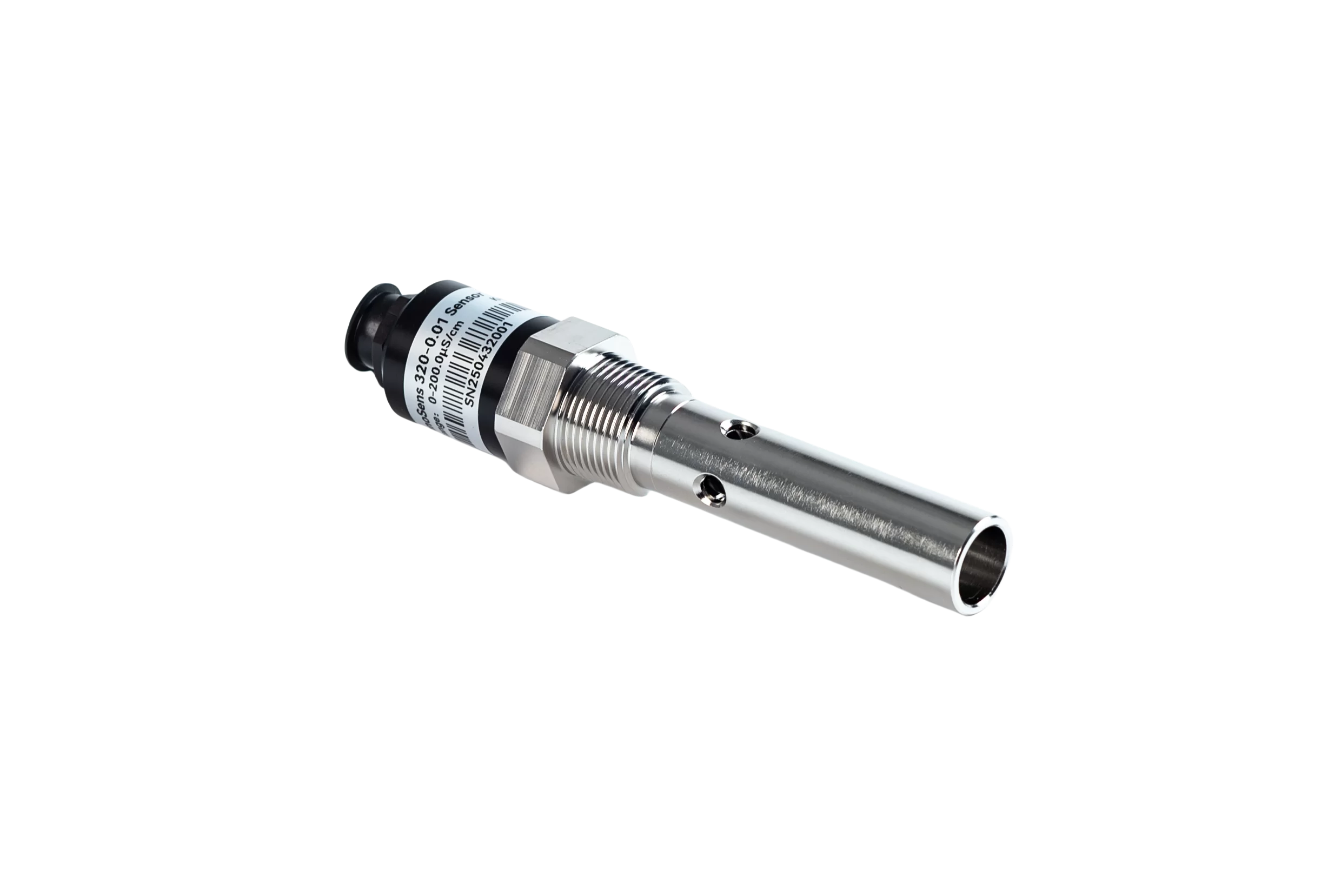
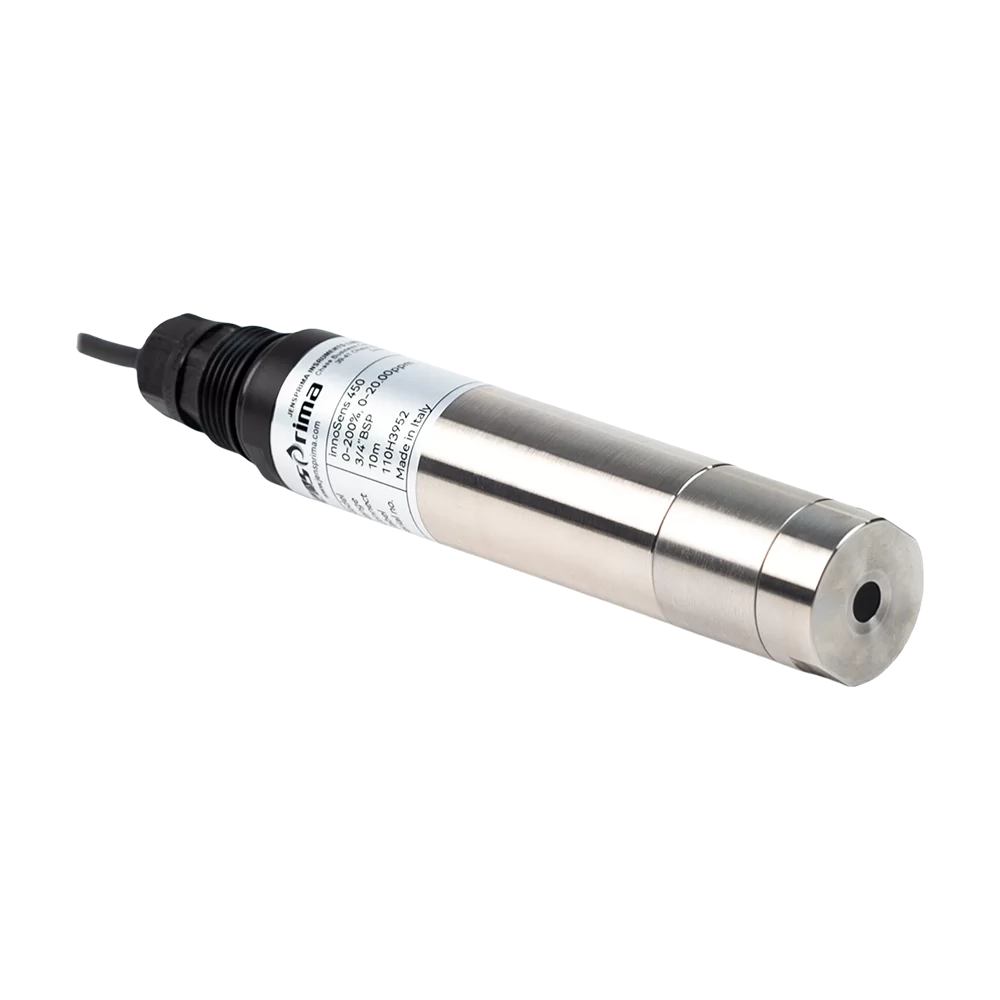
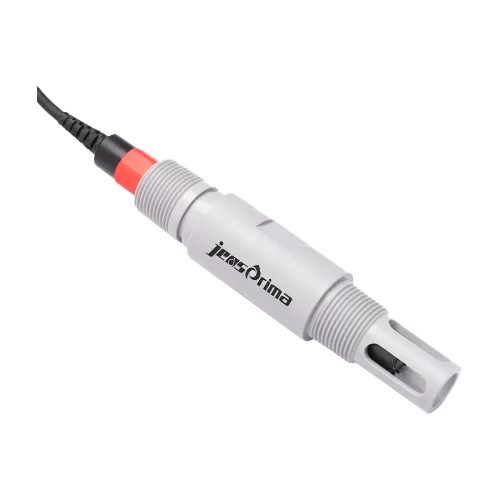
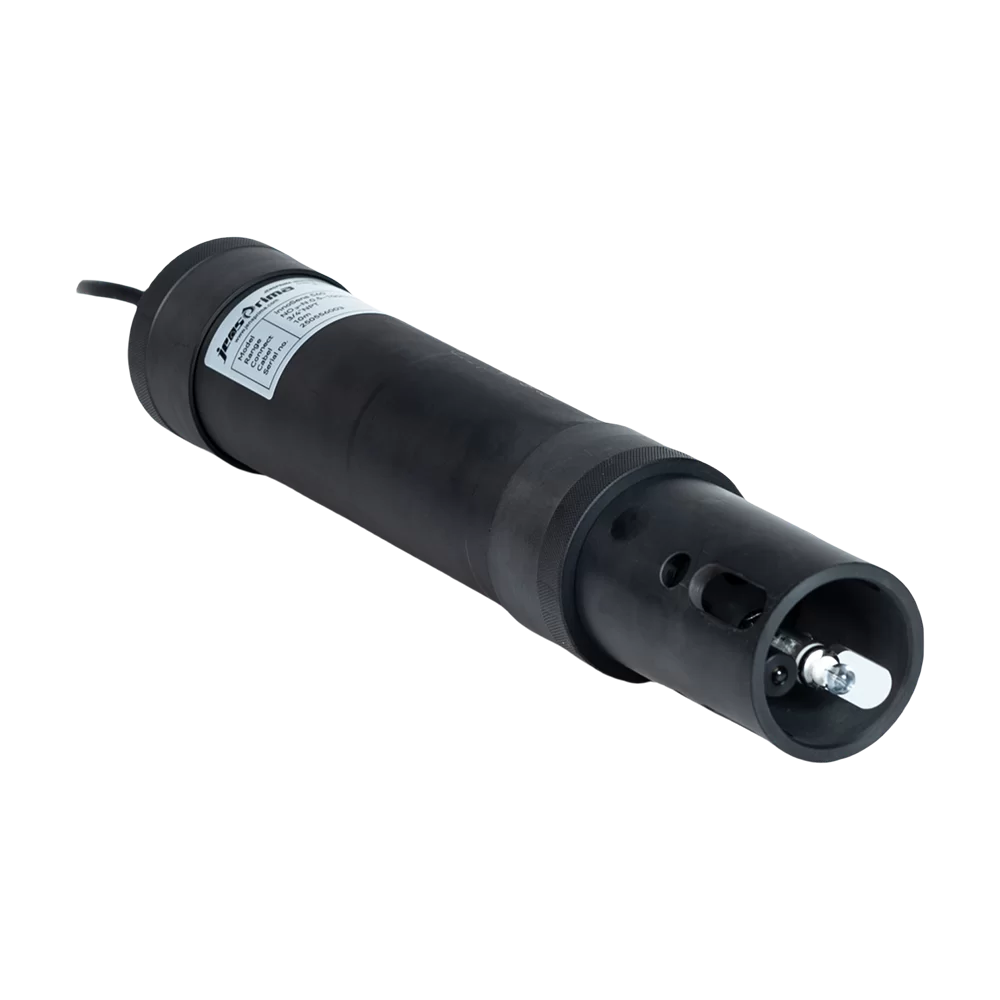
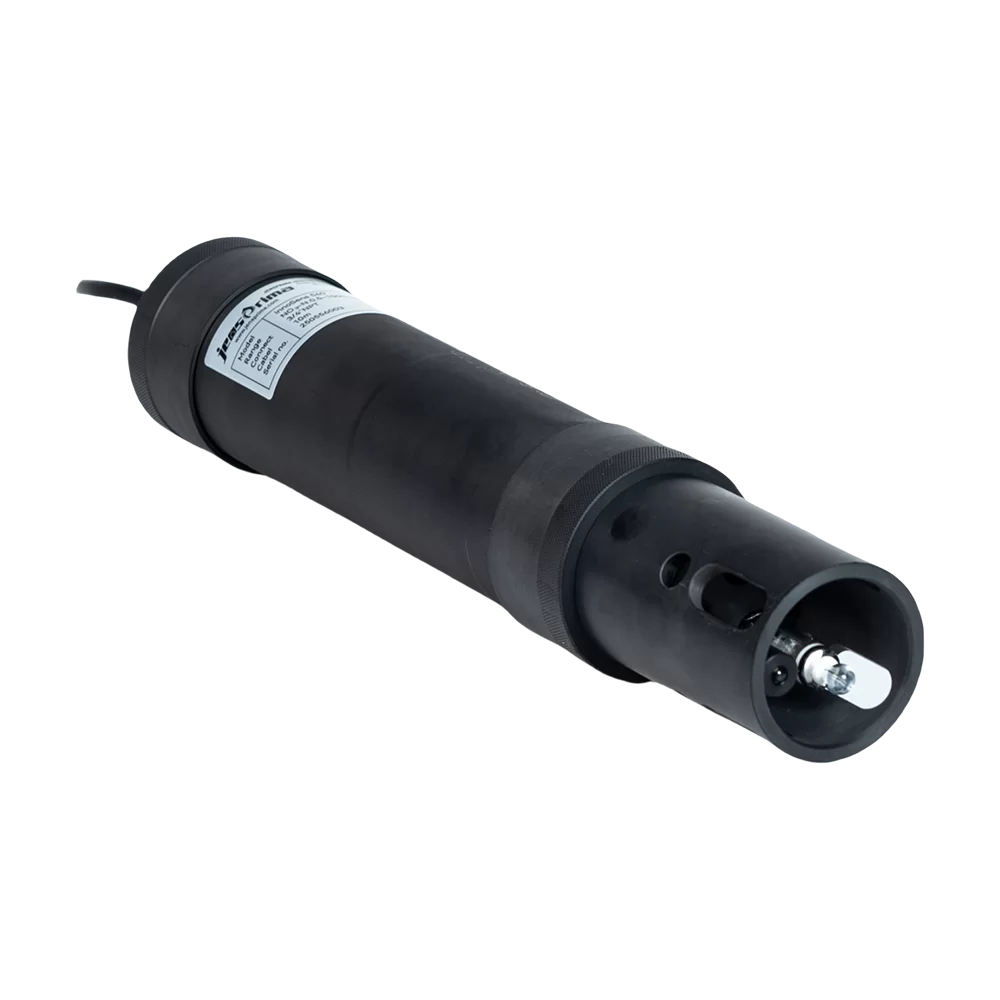
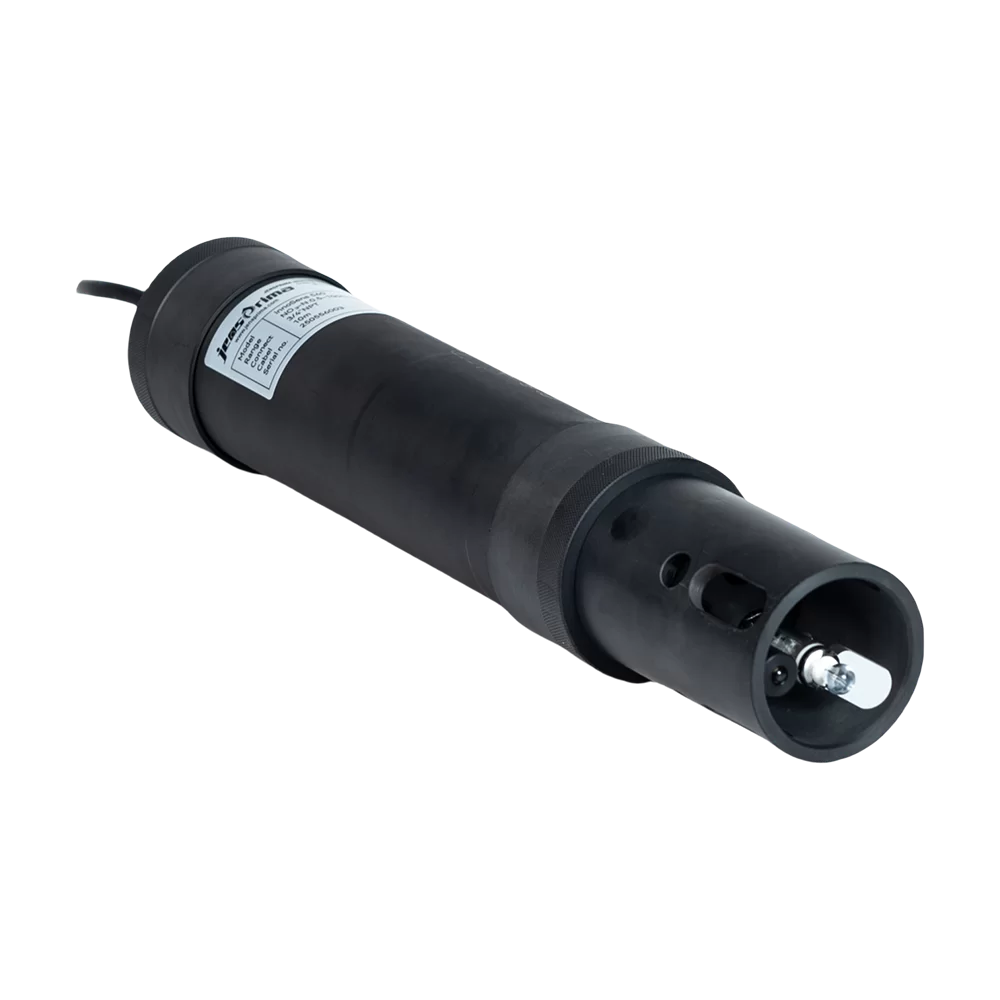
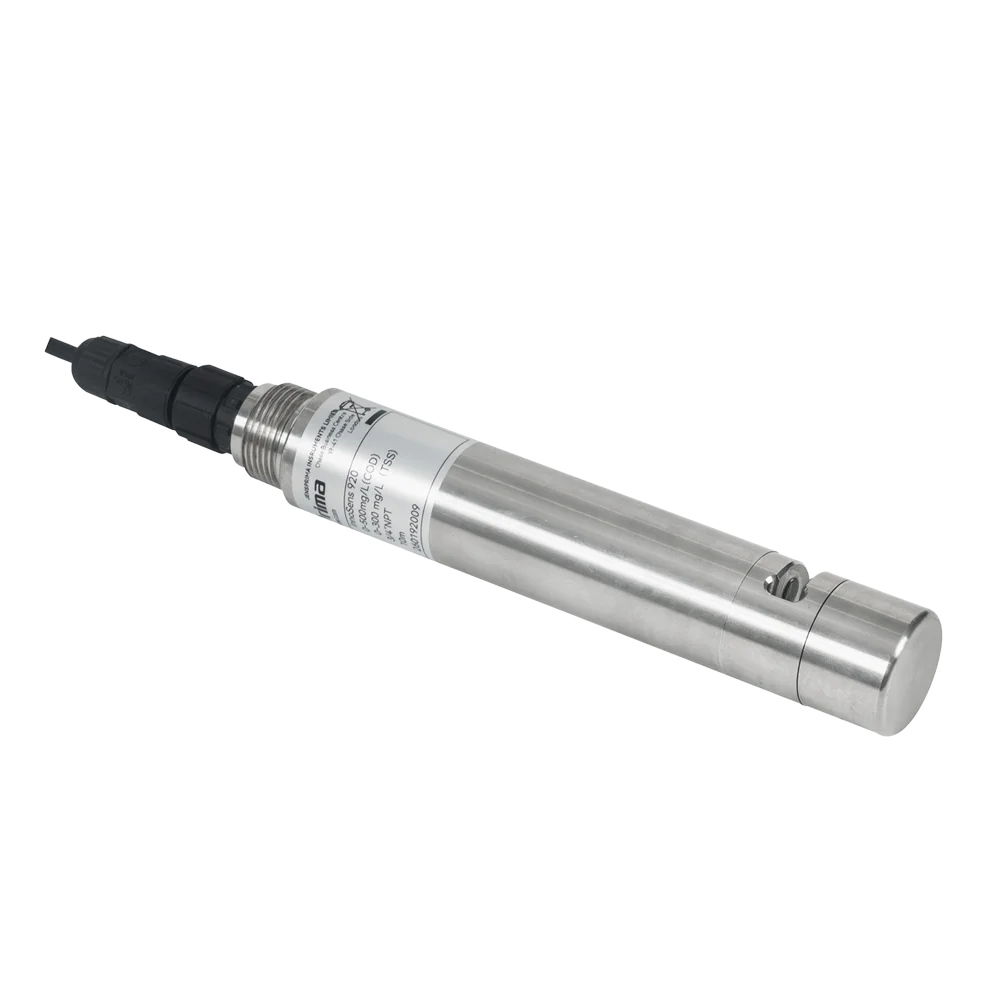
The heart of any residual chlorine analyser is the sensor or the reagent delivery system. For amperometric models, the membrane-covered electrode must be carefully selected to resist fouling and interference from other ions, ensuring a stable current proportional to the chlorine concentration.
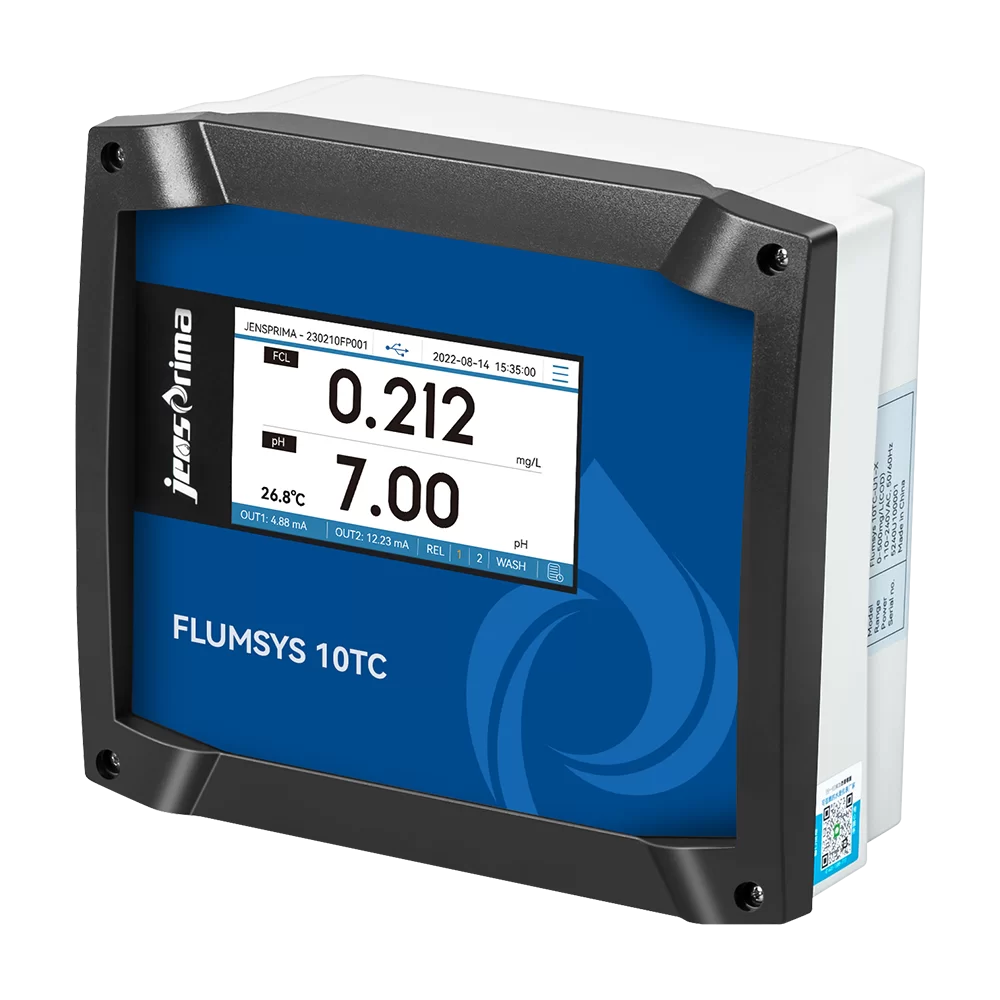
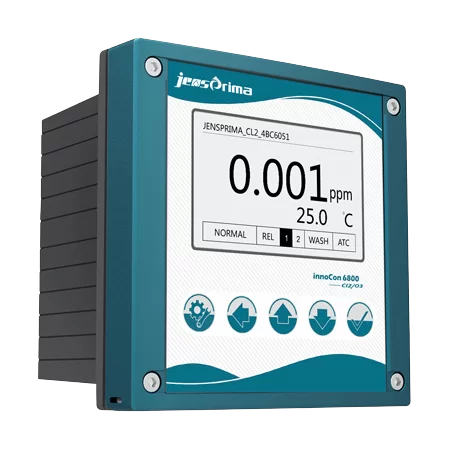
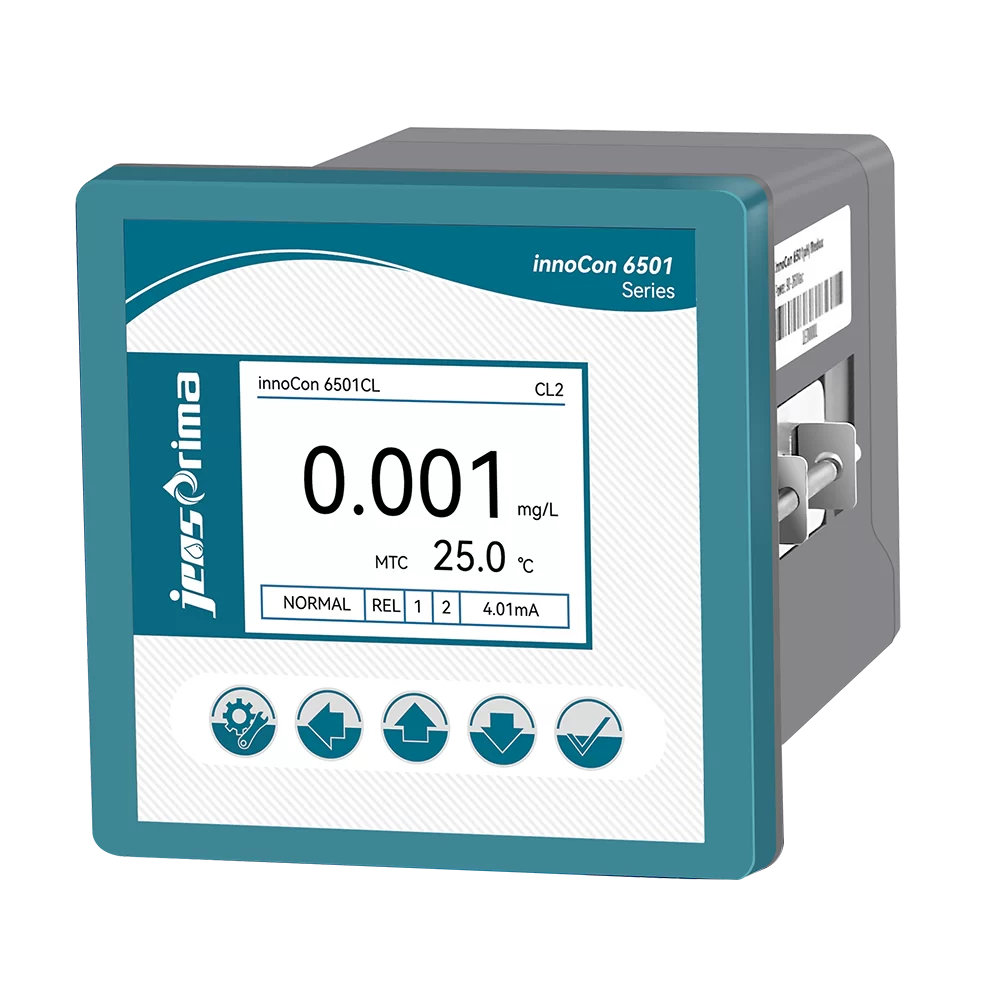
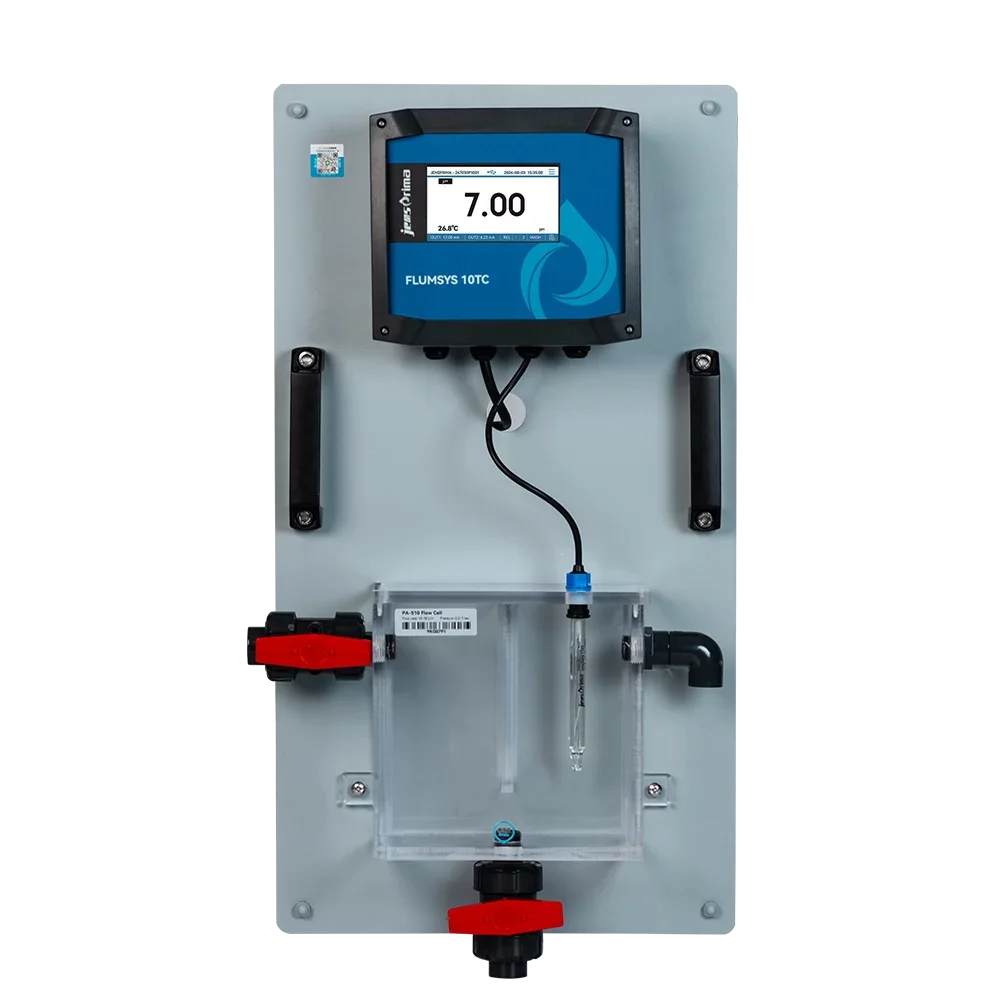
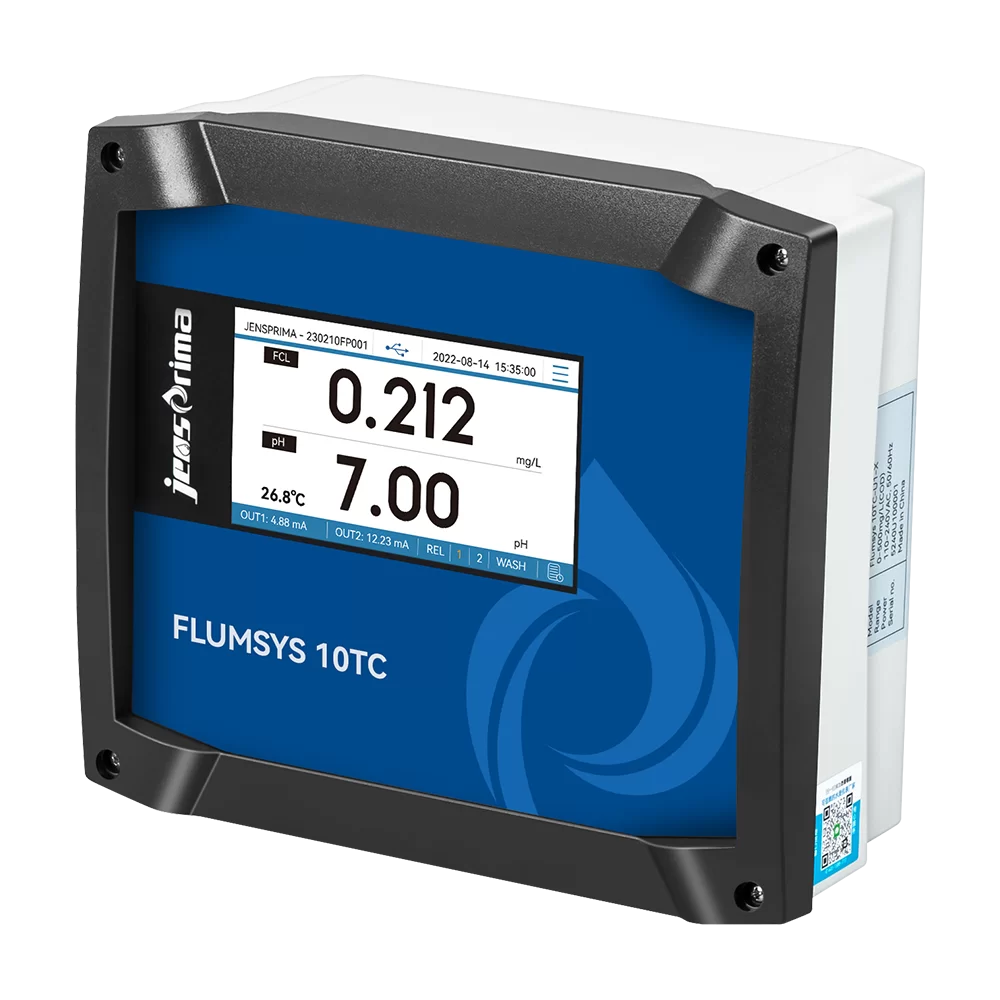
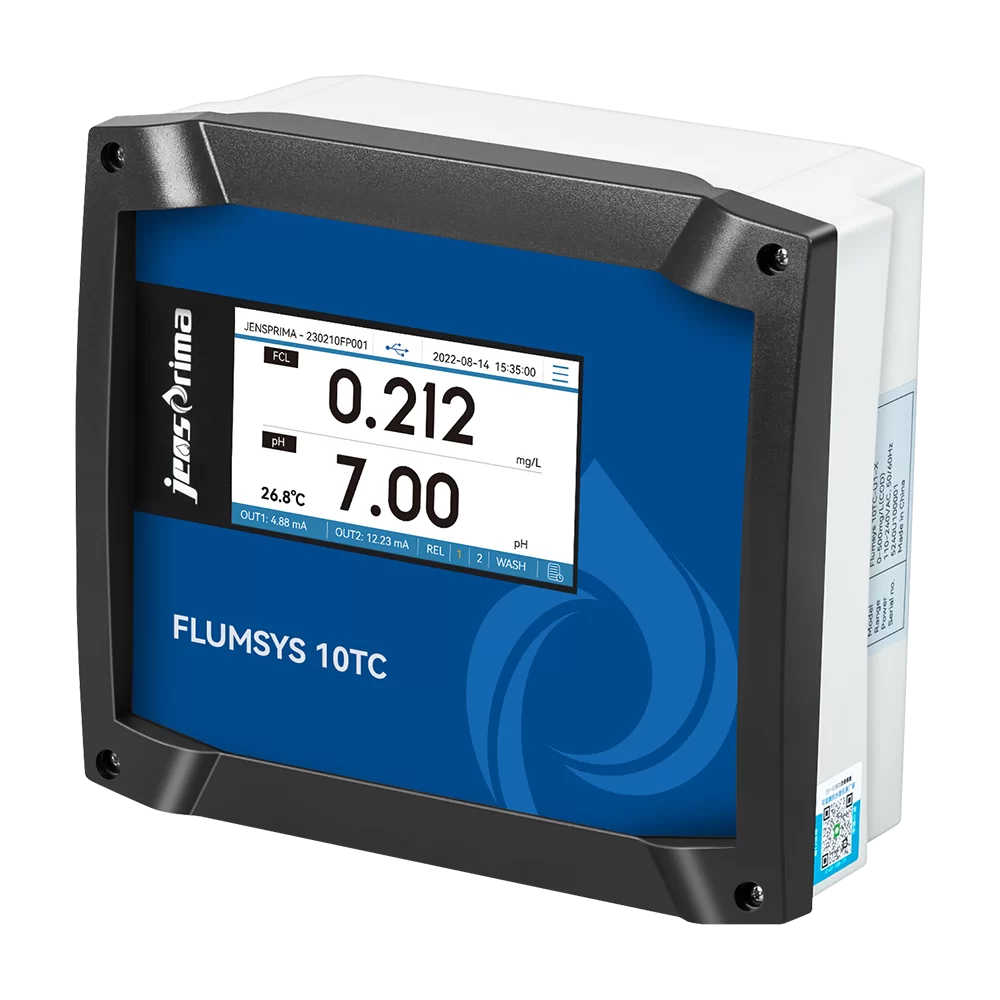
Durability and scalability are key factors in industrial environments. A high-quality residual chlorine analyser must be housed in corrosion-resistant materials (like PVC or PVDF) to withstand the harsh nature of chlorine gas and liquid bleach, while offering 4-20mA or Modbus outputs for easy integration into SCADA systems.
Cost efficiency is achieved not just through the initial purchase price, but through the reduction of reagent consumption and maintenance intervals. Advanced calibration algorithms now allow these analyzers to maintain accuracy for longer periods, reducing the need for frequent manual technician interventions.
Diverse Global Applications and Use Cases
The application of a residual chlorine analyser spans across multiple critical sectors. In the cooling tower industry, maintaining a precise chlorine residual is essential to prevent the growth of Legionella bacteria, which can cause severe respiratory illness. In these settings, automated analyzers trigger dosing pumps to maintain a constant disinfectant level regardless of water temperature changes.
In remote industrial zones or mining operations, these devices are used to treat process water and wastewater. For example, in the pulp and paper industry, chlorine is used for bleaching and slime control; here, the analyzer ensures that the discharge water meets environmental regulations before being released into local river systems to avoid ecological toxicity.
Performance Comparison of Residual Chlorine Analyser Methods
Long-term Value and Operational Advantages
Implementing a high-end residual chlorine analyser provides tangible economic benefits. By moving from manual sampling to automated, real-time monitoring, plants can reduce chemical over-dosing by as much as 20-30%. This not only lowers the cost of raw materials but also extends the lifespan of piping and equipment by reducing the corrosive impact of excessive chlorine.
Beyond the balance sheet, there is an emotional and ethical value tied to safety and trust. For a municipality, the assurance that every drop of water leaving the facility is monitored by a reliable analyzer builds public confidence. This reliability creates a sense of dignity and safety for the community, knowing that their essential resources are managed with the highest technical rigor.
Future Trends in Chlorine Sensing Technology
The landscape of water analysis is shifting toward the "Internet of Water." The next generation of the residual chlorine analyser will feature edge computing capabilities, allowing the device to analyze trends locally and predict dosing needs using AI before a deviation even occurs. This shift toward predictive maintenance reduces downtime and prevents hazardous "spikes" in chlorine levels.
Sustainability is also driving innovation in sensor materials. We are seeing a move toward "green chemistry" in colorimetric reagents, reducing the toxicity of the waste generated by the analyzers themselves. Furthermore, the integration of solar-powered autonomous units allows for the monitoring of remote water sources in developing regions without needing a grid connection.
Digital transformation is further enhanced by the adoption of cloud-based dashboards. Facility managers can now monitor multiple residual chlorine analyser units across different geographical sites from a single smartphone app, ensuring global compliance and immediate response to alarms via push notifications.
Common Challenges and Engineering Solutions
One of the primary challenges in using a residual chlorine analyser is "sensor drift," where the readings gradually lose accuracy over time due to electrode poisoning or membrane degradation. This often leads to false alarms or, worse, under-chlorination. The engineering solution lies in the implementation of automatic cleaning cycles and a two-point calibration system that can be triggered remotely.
Another significant hurdle is the interference caused by other oxidants, such as ozone or chloramines, which can lead to inaccurate "total chlorine" readings. To overcome this, advanced analyzers now employ selective membranes and temperature compensation algorithms that filter out these interferences, ensuring that the operator sees the true free chlorine concentration.
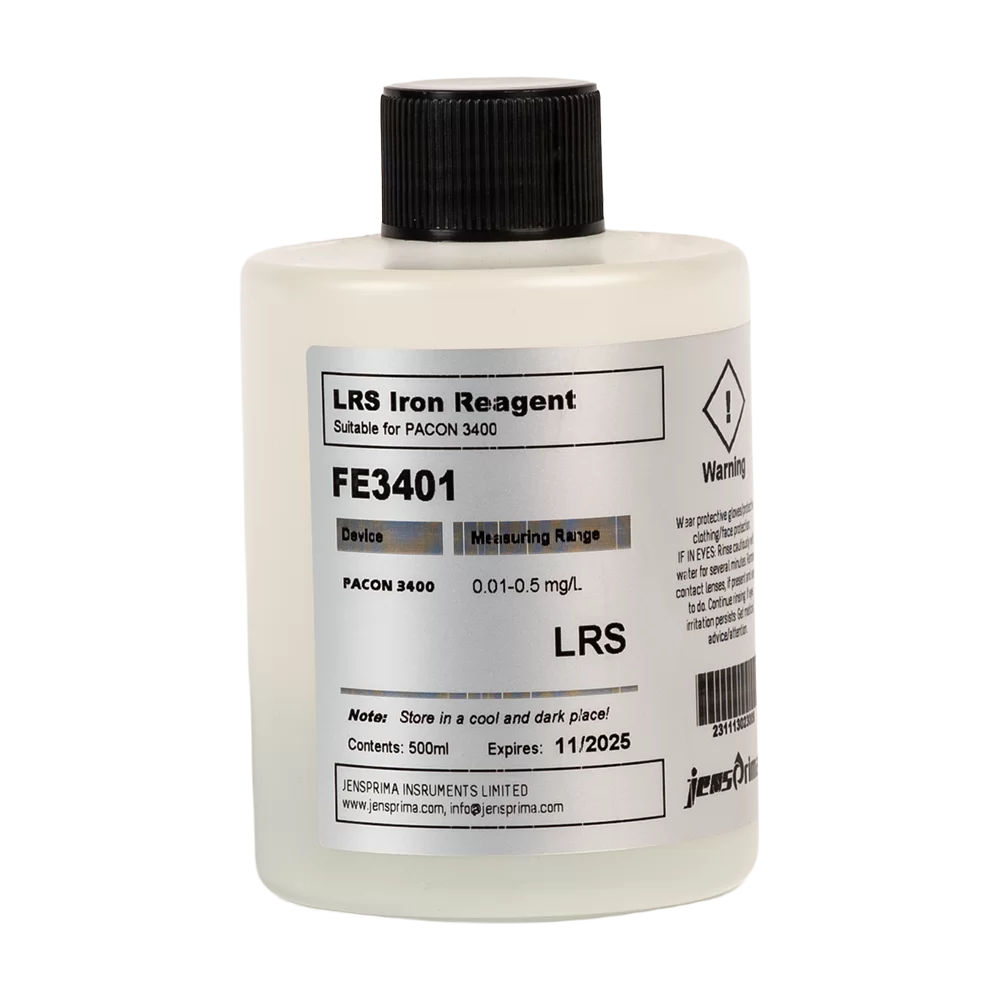
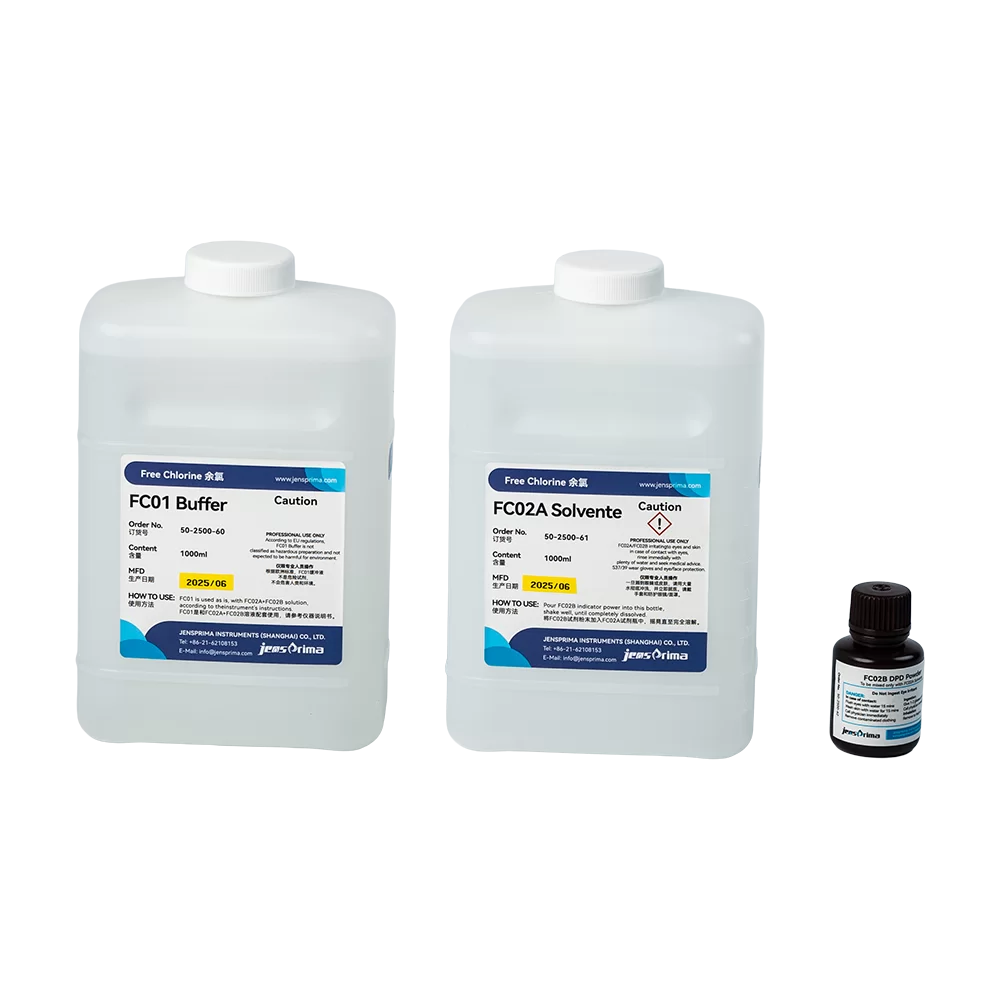
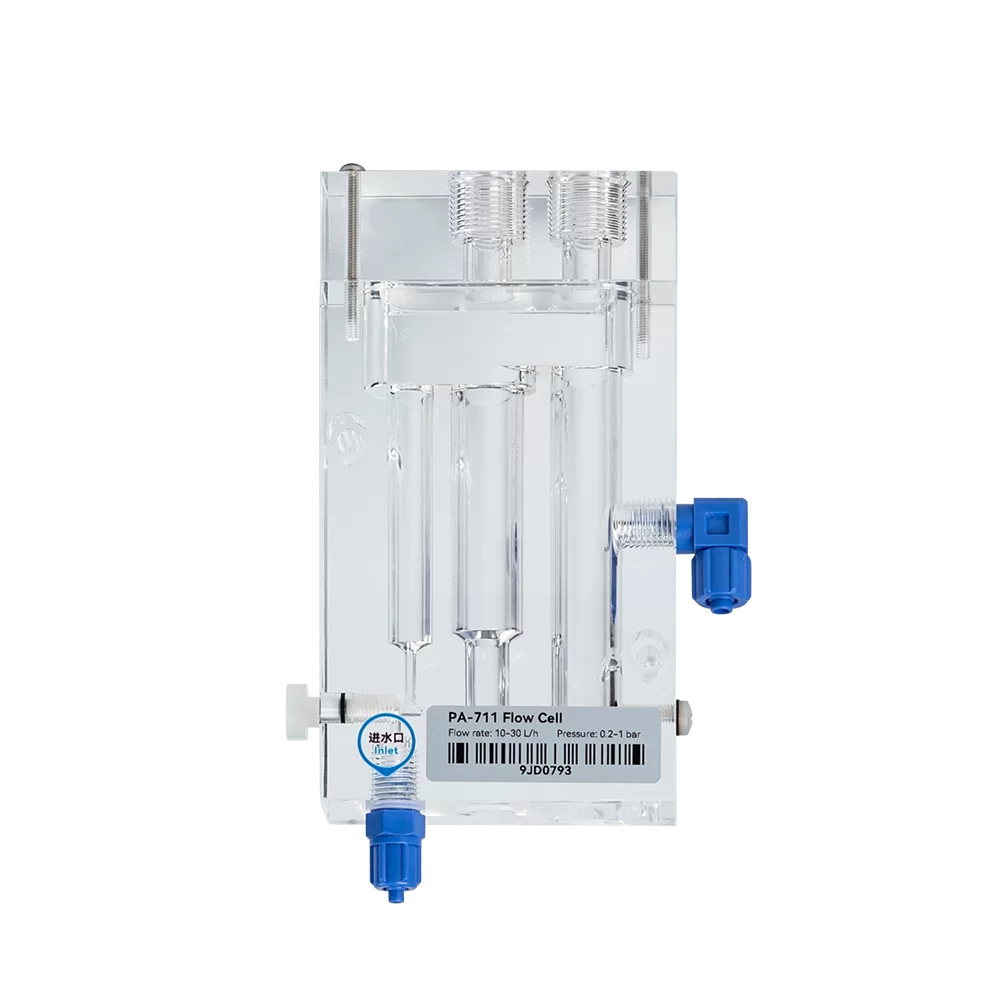
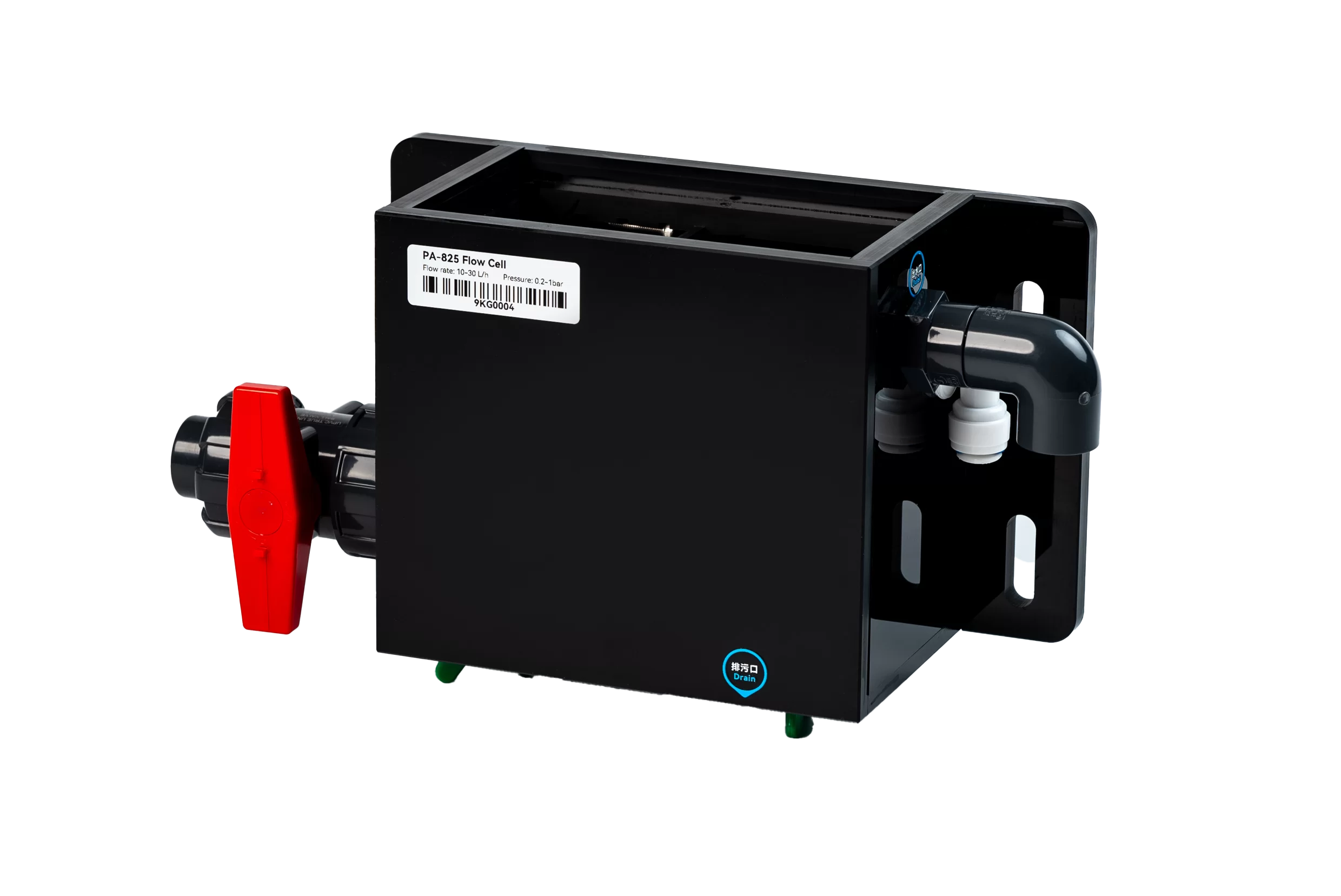
Lastly, the high cost of specialized reagents in colorimetric systems can be a barrier. Innovative "cartridge-based" delivery systems have been developed to minimize waste and maximize the number of tests per kit. By optimizing the flow cell design, the amount of reagent required per sample has been significantly reduced without sacrificing precision.
Comparison of Residual Chlorine Analyser Performance Challenges and Solutions
| Challenge Type |
Root Cause |
Technical Solution |
Impact Score (1-10) |
| Sensor Drift |
Electrode Fouling |
Auto-cleaning brush/acid wash |
9 |
| Chemical Interference |
Ozone/Chloramines |
Selective membranes & algorithms |
8 |
| High OpEx |
Reagent Waste |
Micro-fluidic flow cells |
7 |
| Temperature Sensitivity |
Thermal Kinetics |
Integrated Pt100 temp sensors |
9 |
| Slow Response Time |
Sample Lag |
High-frequency sampling pumps |
6 |
| Installation Complexity |
Plumbing Errors |
Plug-and-play modular housing |
8 |
FAQS
Free residual chlorine consists of hypochlorous acid (HOCl) and hypochlorite ion (OCl-), which are the most effective disinfectants. Total residual chlorine is the sum of free chlorine and combined chlorine (chloramines). A high-quality residual chlorine analyser can distinguish between the two, which is crucial because combined chlorine is less effective at killing pathogens and can cause irritating odors in swimming pools or drinking water.
Calibration frequency depends on the measurement method and water quality. Amperometric sensors typically require a check every 2-4 weeks, while colorimetric systems may need calibration monthly. However, in high-fouling environments, weekly checks are recommended to prevent drift. Many modern systems now offer auto-calibration features that use internal standards to maintain accuracy between manual checks.
Yes, but they require specific sensor materials. Seawater contains high levels of chloride and other ions that can interfere with standard electrodes. For these applications, a residual chlorine analyser with specialized salt-resistant membranes and enhanced corrosion protection (such as Titanium or Hastelloy components) is necessary to ensure longevity and prevent measurement errors caused by ionic interference.
Amperometric (reagent-free) analyzers are highly accurate for continuous trend monitoring and control loops. However, colorimetric analyzers are generally considered the "gold standard" for absolute accuracy and the ability to separate free and combined chlorine. For most industrial control tasks, reagent-free systems are preferred for their low maintenance, while colorimetric systems are used for regulatory compliance reporting.
A professional residual chlorine analyser is integrated with an alarm system. When the level drops below a pre-set threshold, the device triggers a 4-20mA alarm signal or a digital relay. This can automatically shut down water distribution valves or increase the dosing pump speed to restore the disinfectant level immediately, preventing contaminated water from reaching the end-user.
Consider three main factors: your required accuracy, your maintenance capacity, and your budget. If you need low maintenance and continuous control, choose an amperometric system. If you need high precision for legal compliance and can handle reagent refills, go with a colorimetric system. Always check if the analyzer supports your existing communication protocols (like Modbus or Profibus) for seamless integration.
Conclusion
The deployment of a precise residual chlorine analyser is fundamental to modern water safety and industrial efficiency. By bridging the gap between chemical dosing and real-time verification, these instruments ensure that water remains sterile while minimizing the risks associated with chemical over-use. From the technical components of the sensor to the global application in public health, the value of consistent monitoring cannot be overstated.
Looking ahead, the integration of AI-driven analytics and sustainable, reagent-free sensing will further refine how we manage our most precious resource. For facility managers and engineers, investing in high-reliability analysis today is a commitment to future safety, regulatory compliance, and environmental stewardship. We invite you to explore our full range of water quality solutions to find the perfect fit for your infrastructure. Visit our website: www.jensprima.com




 Download
 Video Center
 Technical Services
 FAQS
FAQS Service Network
 Privacy Policy
 Contact Us